

원심분리기(Centrifuge)
원심분리기 원리는 모터나 수동식 메커니즘을 사용하여 고정 축을 중심으로 물체를 회전시켜 물질을 분리합니다. 회전을 통해 물체를 중심에서 멀리 밀어내는 강한 힘을 생성하여 밀도가 높은 입자나 물질이 밀도가 낮은 입자에서 분리되도록 합니다. 혈액 내 성분 분리, DNA 추출, 물질 정제 등과 같은 다양한 목적으로 실험실, 산업 및 의료 시설에서 일반적으로 사용됩니다. 원심분리기의 원리는 원심력의 개념을 기반으로 하며 밀도와 크기에 따라 물질을 분리할 수 있습니다.
원심분리기는 입자를 연구하고 과학 연구를 수행하는 방식을 변화시켰습니다. 응용 분야 전반에 걸친 유연성과 점점 빨라지는 속도 덕분에 연구자들은 이전보다 더 깊이 샘플을 검사할 수 있었습니다.
원심분리기 활용 분야
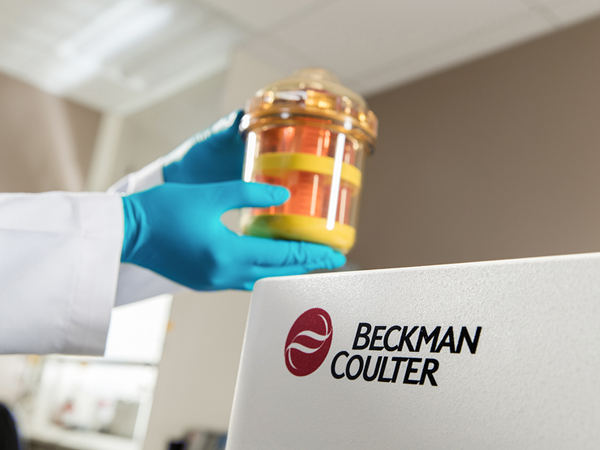
벡크만쿨터는 1947년부터 전 세계 연구소, 병원 및 대학에 원심분리 솔루션을 제공하고 있습니다. 벡크만쿨터의 혁신적인 원심분리 기술은 전 세계 생명 과학, 생명 공학, 제약, 임상 진단, 학계 및 산업 분야의 고객에게 서비스를 제공하는 데 기여해 왔습니다.
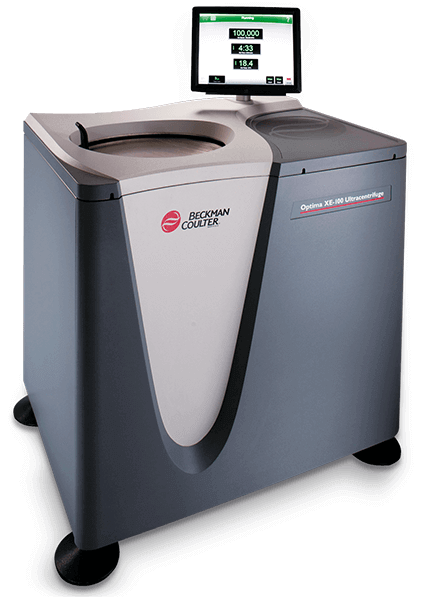
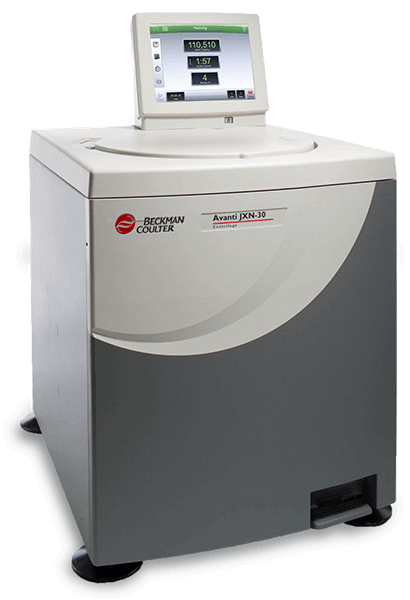
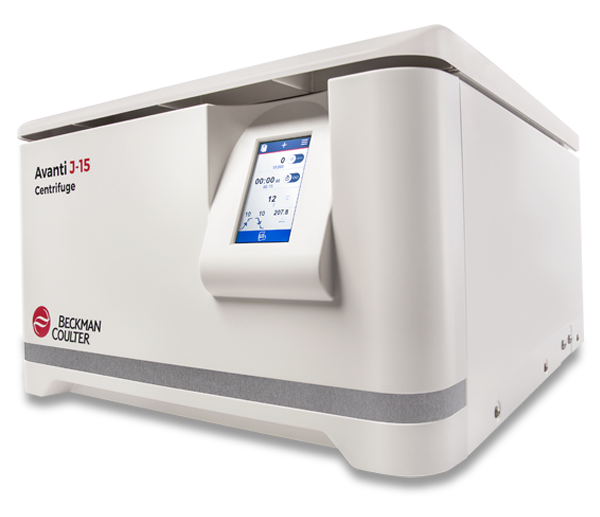
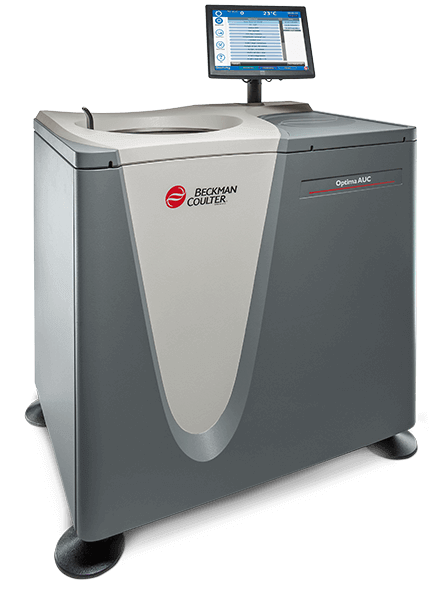
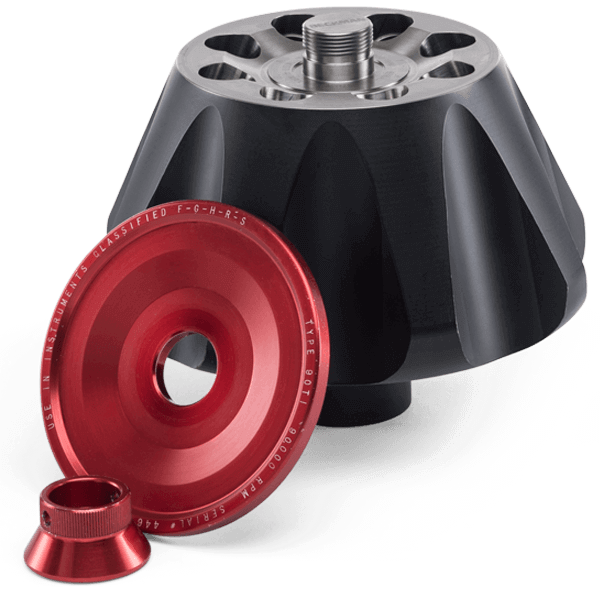
벡크만쿨터의 원심분리기 포트폴리오는 마이크로 원심분리기 라인부터 고성능 탁상형 원심분리기, 대용량 고속 원심분리기, 초고속원심분리기 및 분석형 초고속원심분리기(AUC)에 이르기까지 매우 다양합니다. 다양한 원심분리기의 로터는 다양한 용량의 샘플, RCF 및 RPM을 수용할 수 있게 설계되었습니다. 또한 벡크만쿨터는 이러한 포트폴리오를 지원하기 위해 내구성 있는 재료로 제작된 튜브, 바틀 및 라이너 등 연구에 필요한 다양한 소모품을 제공합니다.
벡크만쿨터 원심분리기 종류


FAQ on Centrifuges & Lab Equipment
What are centrifuges used for in life science laboratories?
Centrifuges are used throughout life science research for cell harvesting, protein purification, nucleic acid preparation, blood processing, viral vector purification, exosome isolation, density gradient separations, and biopharmaceutical development workflows.
What are the different types of laboratory centrifuges?
Laboratory centrifuges are available in several configurations designed for specific applications. Common types include benchtop centrifuges for routine sample preparation, high-speed centrifuges for larger biomolecules and cell harvesting, ultracentrifuges for viruses and nanoparticles, analytical ultracentrifuges for macromolecule characterization, and specialized systems such as microcentrifuges and continuous-flow centrifuges. The appropriate centrifuge depends on sample volume, separation requirements, speed, and workflow needs.
Which type of centrifuge is best for my application?
The best centrifuge depends on sample type, throughput requirements, separation goals, and speed requirements. Benchtop centrifuges are commonly used for routine laboratory workflows, such as nucleic acid and protein workflows, cell isolation, and multi-well plate processing high-speed centrifuges support larger-volume separations and cell harvesting, while ultracentrifuges are designed for high-resolution purification or particles such as viruses, extracellular vesicles, nanoparticles, and other very small particles.
What should I consider when choosing a laboratory centrifuge?
When selecting a centrifuge, laboratories should evaluate sample volume, rotor compatibility, maximum speed, relative centrifugal force (RCF), temperature control requirements, biosafety considerations, and future scalability. Choosing the right centrifuge can improve workflow efficiency, sample integrity, and reproducibility.
